
Sciatica: What It Actually Is, and What You Can Do About It


That sharp, burning pain that shoots from your lower back, through your buttock, and down the back of your leg — if you've experienced it, you don't forget it. It can stop you in your tracks getting out of bed, make sitting at a desk unbearable, or hit you out of nowhere when you bend down to pick something up.
It's often called sciatica, and it's one of the most common conditions we see at Well By Design Chiropractic. The good news is that for most people, it responds well to the right care — and in many cases, you don't need surgery or strong medication to get on top of it.
What Is Sciatica?
Sciatica isn't a diagnosis in itself — it's a description of symptoms. It refers to pain, numbness, tingling, or weakness that travels along the path of the sciatic nerve, which runs from your lower back through your hips and buttocks and down each leg.
In most cases, sciatica affects only one side of the body. The pain can range from a dull ache to a sharp, burning sensation, and it's often made worse by prolonged sitting, coughing, sneezing, or sudden movements.
What Causes It?
The sciatic nerve can become irritated or compressed for several reasons. The most common causes include:
A herniated or bulging disc in the lower spine pressing on a nerve root
Spinal stenosis — a narrowing of the spinal canal that puts pressure on the nerve
Piriformis syndrome — where a muscle deep in the buttock irritates the sciatic nerve
Degenerative disc changes related to age or wear and tear
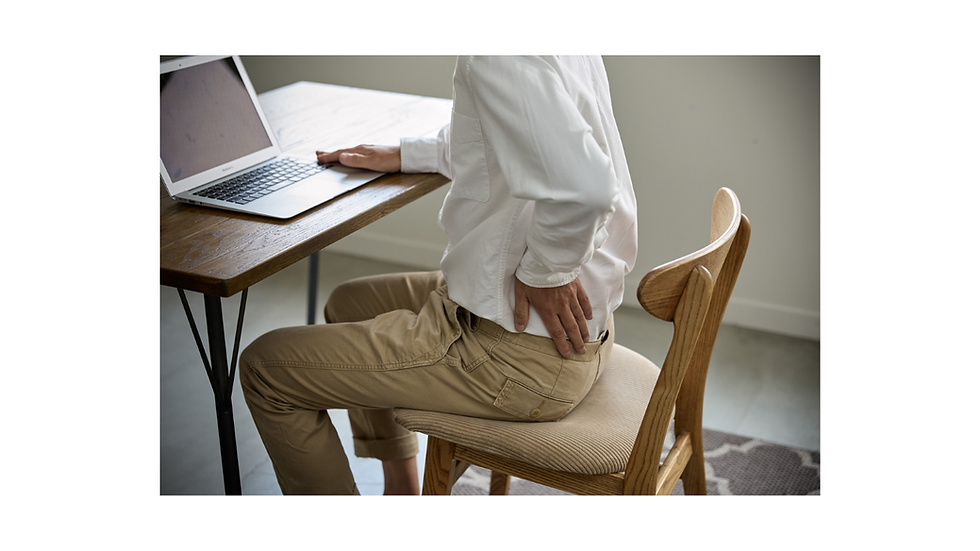
Poor posture, prolonged sitting, or a sedentary lifestyle that places ongoing stress on the lower spine
Pregnancy can also trigger sciatic symptoms as the body changes and the growing uterus puts pressure on the nerve.
How Do You Know If It's Sciatica?
Not all leg pain is sciatica — and not all sciatica causes leg pain. That's why a proper assessment matters. Some common signs that point toward sciatica include:
Pain that starts in the lower back or buttock and travels down one leg
Tingling or 'pins and needles' in the leg, calf, or foot
Numbness or weakness in the affected leg
Pain that worsens when sitting for long periods
Difficulty standing up or walking without sharp pain
⚠️ Important: If you experience sudden numbness in your inner thighs or groin area, or lose control of your bladder or bowel, seek emergency medical care immediately. This can be a sign of a rare but serious condition called cauda equina syndrome.
Can a Chiropractor Help with Sciatica?
Yes — in many cases, chiropractic care is an effective, non-invasive option for managing sciatica. At Well By Design Chiropractic, we'll start with a thorough assessment to identify what's actually causing your symptoms, because the right treatment depends entirely on the root cause.
Depending on what we find, your care may include:
Spinal adjustments to restore movement and reduce pressure on the irritated nerve
Soft tissue work and dry needling to address muscle tightness contributing to nerve irritation
Targeted rehabilitation exercises to strengthen the muscles supporting your lower spine
Postural and lifestyle advice to reduce the load on your spine day to day
Research supports chiropractic care for sciatica. A 2006 randomised controlled trial found spinal manipulation to be effective for acute back pain and sciatica associated with disc protrusion. More recently, research has shown that people with sciatica who receive chiropractic spinal manipulation also have a significantly lower likelihood of being prescribed opioid pain medications.
What About Surgery?
Surgery is rarely the first answer for sciatica. Most episodes — especially those caused by disc herniation — improve with conservative care. Research consistently shows that the majority of sciatica cases resolve well with appropriate non-surgical management. We'll always be honest with you about what we think you need, and if we believe you need a referral to a specialist or further imaging, we'll tell you.
A Few Things You Can Do Right Now
Keep moving — complete bed rest usually makes sciatica worse, not better. Gentle walking is helpful.
Avoid prolonged sitting. Get up and move every 30–40 minutes if you work at a desk.
Apply heat to the lower back and buttock area to help ease muscle tension around the nerve.
Avoid bending and twisting at the same time — this is one of the most common ways people aggravate a disc.
Sciatica that's been going on for more than a few weeks, or that's getting progressively worse, is worth having assessed. The sooner we understand what's driving your symptoms, the sooner we can help.
If you've been putting up with sciatica or back-and-leg pain and you're ready to get some answers, we'd love to help. We're accepting new patients at our Balwyn North practice. Book online at www.wellbydesignchiropractic.com.au or give us a call — a proper assessment is always the right first step.


Comments