
Tight Hip Flexors: How Sitting Affects Your Hips and Lower Back
Tight Hip Flexors: How Sitting Affects Your Hips and Lower Back
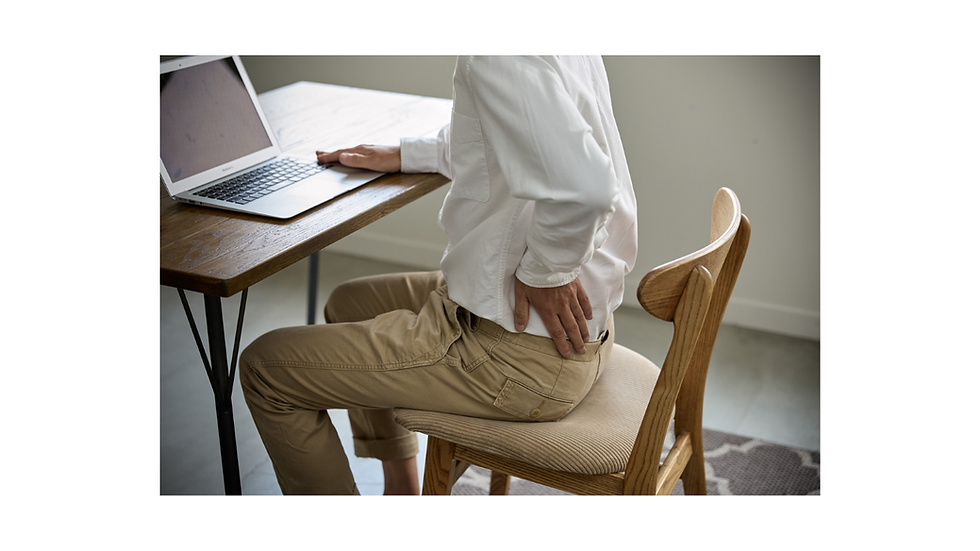
Tight hips are increasingly common, particularly in people who spend long periods sitting at desks, in cars, or working from home. Prolonged sitting places the hip flexor muscles in a shortened position for extended periods, which can contribute to stiffness, reduced hip mobility, and discomfort if not balanced with regular movement.
Over time, tight hip flexors may affect how the hips, pelvis, and lower back move together. This can contribute not only to local hip tightness but also to lower back discomfort and inefficient movement patterns during daily activities or exercise.
Understanding the Hip Flexors and the Psoas Muscle
The hip flexors are a group of muscles responsible for lifting the thigh and assisting with trunk movement. These muscles play a key role in walking, running, bending, and maintaining posture.
One of the most important hip flexors is the psoas major, a deep muscle that connects the lumbar spine to the femur. Because of its attachment to the lower back, reduced flexibility or increased tension in the psoas can influence spinal mechanics and pelvic position.
How Tight Hip Flexors Can Contribute to Lower Back Pain
When hip flexors are tight, the pelvis may struggle to rotate efficiently. This can place additional demand on the lower back, increasing strain on spinal joints and surrounding tissues.
Tight hip flexors can also inhibit proper activation of the gluteal muscles. As opposing muscle groups, excessive tightness in the hip flexors can reduce the glutes’ ability to contract effectively. This imbalance may cause other muscles to compensate, potentially increasing fatigue, reducing movement efficiency, and raising injury risk over time.
Why Hip Mobility Matters in Everyday Life
The hips play a central role in transferring force through the body. Whether walking, running, lifting, or exercising, the hips help absorb and distribute load. Limited hip mobility can affect movement quality and increase stress on other areas such as the knees and lower back.
Supporting hip flexibility and strength is an important part of maintaining healthy movement patterns across all stages of life.
Simple Hip Flexor Stretch to Improve Mobility
Regular stretching can help reduce hip tightness, improve mobility, and support better posture and movement.
Kneeling Hip Flexor (Psoas) Stretch
How to perform:
Kneel on your left knee and place your right foot forward
Keep your right knee bent at approximately 90 degrees, stacked above the ankle
Gently shift your weight forward until you feel a stretch at the front of the left hip
Use a chair or wall for balance if needed
Place a mat or towel under the knee for comfort
Hold for 20–30 seconds, then switch sides. Repeat 2–3 times daily or after exercise.

Stretching should feel gentle and controlled. If symptoms persist or worsen, consult a qualified health professional for individual assessment and advice.
If you’re experiencing ongoing lower back discomfort, our team at Well By Design Chiropractic can help assess how hip mobility may be contributing to your symptoms. Book an appointment today


Comments